Evaluating medical studies
Currently, the ScienceBlogs Book Club is discussing Paul Offit's Autism's False Prophets (which I've just ordered). For those unaware of the subject of autism and autism research, the heated discussion going on in the comments sector will probably surprise you.
The heat is because the debate about autism, and the cause of autism, as it happens on the internet, is not about science, but about emotions, and in some cases, about profit. When I say profit, I'm not referring to the pharmaceutical businesses, that makes the vaccinations, that some people claim causes autism, but rather the people pushing dangerous "cures" at high prices to the parents of autistic children. Because, frankly speaking, vaccinations are very low on the profit scale when it comes to the pharmaceutical sector (Viagra and happy pills would be a much better business).
Of course, just because one side might profit from something being true, doesn't mean that it's not true. The makers of penicillin make a profit, yet penicillin has saved more lives than it's possible to count.
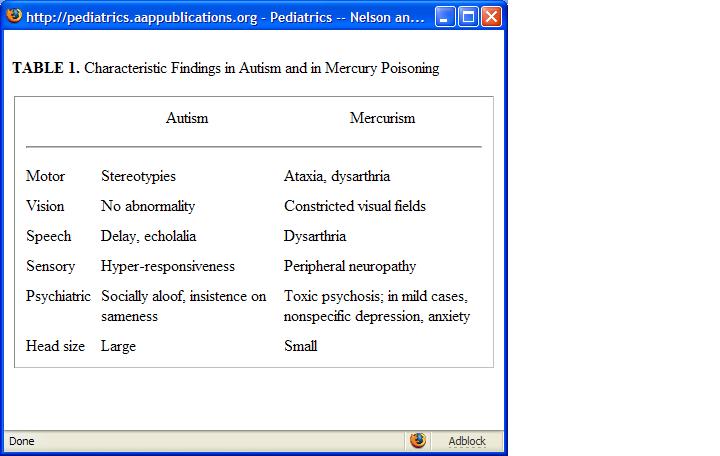
When I first heard about the possibility of an autism-vaccination link, from a blogger I respect, I thought it sounded somewhat feasible, since the cause of autism is not particularly well known. Also, the fact that vaccinations contained thimerosal, which is based on a type of mercury, seemed worrisome.
In other words, while I wasn't convinced of the link, I certainly was open to the idea.
However, I began to run into other bloggers, pointing out the problems with this hypothesis, and I began noticing a problematic pattern. There has been a lot of research into autism, and a lot of research into the possibility of an autism-vaccination link. A few studies pointed towards an autism-vaccination link, while the majority showed no link. As such, this might not tell us one way or another, since the minority studies might be the better studies. However, by any objective measure, this was certainly not the case, and what's more, it turned out that, while we don't know everything about the cause of autism, we do know some things, and what we know, invalidates the hypothesis of a link between autism and vaccinations.
So, how does one go about evaluating studies? Well, I obviously have some criteria I follow, but instead of going through them, I think it's much better to point to an excellent article on the very subject in the NY Times by Gina Kolata: Searching for Clarity: A Primer on Medical Studies (might require that you log in).
Kolata explains clearly what kind of things you have to look at when evaluating medical studies, and while the examples she refers to, all had the minority studies overturn the majority studies, it's much more common the other way around, as we can see in the studies about autism-vaccination links.
For more stuff about the proper way to evaluate and do medical studies, I recommend the group-blog Science-Based Medicine.
The heat is because the debate about autism, and the cause of autism, as it happens on the internet, is not about science, but about emotions, and in some cases, about profit. When I say profit, I'm not referring to the pharmaceutical businesses, that makes the vaccinations, that some people claim causes autism, but rather the people pushing dangerous "cures" at high prices to the parents of autistic children. Because, frankly speaking, vaccinations are very low on the profit scale when it comes to the pharmaceutical sector (Viagra and happy pills would be a much better business).
Of course, just because one side might profit from something being true, doesn't mean that it's not true. The makers of penicillin make a profit, yet penicillin has saved more lives than it's possible to count.
When I first heard about the possibility of an autism-vaccination link, from a blogger I respect, I thought it sounded somewhat feasible, since the cause of autism is not particularly well known. Also, the fact that vaccinations contained thimerosal, which is based on a type of mercury, seemed worrisome.
In other words, while I wasn't convinced of the link, I certainly was open to the idea.
However, I began to run into other bloggers, pointing out the problems with this hypothesis, and I began noticing a problematic pattern. There has been a lot of research into autism, and a lot of research into the possibility of an autism-vaccination link. A few studies pointed towards an autism-vaccination link, while the majority showed no link. As such, this might not tell us one way or another, since the minority studies might be the better studies. However, by any objective measure, this was certainly not the case, and what's more, it turned out that, while we don't know everything about the cause of autism, we do know some things, and what we know, invalidates the hypothesis of a link between autism and vaccinations.
So, how does one go about evaluating studies? Well, I obviously have some criteria I follow, but instead of going through them, I think it's much better to point to an excellent article on the very subject in the NY Times by Gina Kolata: Searching for Clarity: A Primer on Medical Studies (might require that you log in).
Kolata explains clearly what kind of things you have to look at when evaluating medical studies, and while the examples she refers to, all had the minority studies overturn the majority studies, it's much more common the other way around, as we can see in the studies about autism-vaccination links.
For more stuff about the proper way to evaluate and do medical studies, I recommend the group-blog Science-Based Medicine.
Labels: autism, medicine, New York Times, Paul Offit, research, science, ScienceBlogs Book Club
posted by Kristjan Wager at 9:34 AM
0 comments

 View blog reactions